[Source: Research & Innovation]
An EU-funded project is exploring the cultural, scientific and social dimensions of Europe4s relations with Latin America and the Caribbean (LAC) through the study of museums. This should preserve community heritage and support EU-LAC cooperation.
ICER, CRISPR, Biotech Activism & More: The X of the Year Finalists

With so many stellar Xconomy Award nominees this year, we wanted to recognize several who don’t fit neatly into the other categories, so we’ve created categories just for them. One of these nominees for X of the Year is gaining influence in the drug industry with its evaluations of drug cost effectiveness. Two more been pushing their fellow biotech CEOs to be more politically outspoken. Yet another finalist is bridging the global scientific divide by bringing lab equipment to researchers in the developing world. Read on for more details on the X of the Year finalists.
(This is the final… Read more »
UNDERWRITERS AND PARTNERS
7 Crops That Could Benefit from CRISPR

Since CRISPR was first described in 2005, the gene editing technology’s potential impact on agriculture, human health and the environment has been covered more and more each day.
As Eric Niler writes in a piece for National Geographic, “one way to measure the rise of Crispr and other forms of gene-editing is by scientific publication. From two dozen journal articles in all of 2008, Crispr-related scientific-paper submissions now number 10 per day, and will shortly reach 10,000 total.”
And while a good majority of those studies focus on CRISPR’s human health applications, a significant amount of research has been dedicated to discovering CRISPR’s potential impact on agriculture.
In his piece, “Why Gene Editing Is the Next Food Revolution,” Niler includes an infographic that explores examples of how CRISPR is going to led to real benefits in agriculture – benefits that can help sustain the food supply, reduce food waste and promote environmental health.

Let’s dive into seven of the crops included above, looking at why gene editing is being considered for each.
Chocolate
Cacao trees thrive in tropical environments – specifically regions that are 20 degrees north and 20 degrees south of the equator. Fungi and viruses also thrive in these environments. Unfortunately, this has put the world’s supply of chocolate at risk as entire cacao tree farms are being infected. Compounding this epidemic is climate change, which is expanding environmental conditions ideal for fungi and viruses. Using CRISPR, however, scientists funded by the popular candy brand Mars are hoping to edit the trees’ DNA to withstand fungal and viral diseases in an increasingly warmer world.
Bananas
Following the geopolitical shift that resulted from World War II, the banana industry experienced its own seismic change. In the 1950s, the popular Gros Michel banana had been essentially wiped out globally by Panama disease, a blight that blackens bananas from the inside out. Replacing this popular variety was the less-delicious Cavendish banana, which fills produce sections today. Now the Cavendish banana is under threat from a new incarnation of Panama disease, in addition to other diseases like banana wilt spreading throughout Uganda. Through gene editing, however, scientists are hoping to turn on the gene that enables the Cavendish to resist the blight, saving the popular fruit from possible extinction.
Grapes
Downy mildew, a powdery fungal disease that destroys grape vines, is costing grape growers nearly $200 million a year to combat. Moreover, the fungal disease is threatening to take down the wine industry as it overtakes vineyards across the west coast. Like bananas, however, scientists are encouraged by the promise of gene editing to alter the genes of grapes (this time turning a gene off) to make it less vulnerable to disease. Not only would wine lovers rejoice, but grape growers would save millions in chemicals to fight the spread of the mildew.
Tomatoes
Surprising to some, the tomato was the first genetically engineered crop to be commercialized. The FLAVR SAVR tomato, as its name suggests, was genetically engineered to have a longer shelf life and better taste. The tomato did not have commercial success; however, geneticists are continuing to study the vegetable fruit, identifying critical flavors that can be gene edited into modern varieties.
Corn
Corn may be the most recognized GM crop. Today, there are several varieties of GM corn with traits such as insect resistance and herbicide tolerance. And rightfully so. Corn is used for much more than food. The crop is used as feed for livestock, biofuels for our cars, starch, alcohol and other industrial uses. Considering its broad use, it’s critical that corn continue to be able to grow as the climate changes. To ensure this is the case, scientists have identified a gene that allows the crop to produce more grain under drought conditions which they will look to incorporate into modern varieties.
Mushroom
Similar to what has been accomplished with potatoes, researchers are hoping gene editing can reduce browning and increase shelf life for mushrooms. Gene editing holds tremendous promise to reduce food waste by increasing the time crops stay fresh and enhancing their outward appearance. This is significant considering the amount of food that is wasted each year: enough to feed up to 300 million people, according to the Untied Nations.
Wheat
Gluten sensitivities may seem like a new fad but, for those with celiac disease, gluten is a very real threat to human health. Luckily, scientists are studying gene editing as a method to lower gluten proteins in wheat, resulting in reduced-gluten wheat which may be agreeable for those with gluten sensitivities or celiac disease. Reduced-gluten wheat is a promising new innovation in plant gene editing as researchers progress towards eliminating allergens in plants, like peanuts. Using gene editing to eliminate allergens would increase food safety overall.
7 Free Project Management Software Options to Keep Your Team On-Track
59% of U.S. workers say communication is their team’s biggest obstacle to success, followed by accountability.
Managing multiple projects at once, delegating tasks, and collaborating across teams is difficult on a good day — but can become downright impossible when unforeseen obstacles get in the way.
Miscommunication and inefficiencies in your project management process can lead to confusing and stressful experiences for your employees, and hinder your company’s ability to satisfy your clients’ needs or hit end-of-year goals. This can lead to major losses over time.
Fortunately, there are plenty of free project management software options to keep your team on-track without breaking the bank. To streamline your process and ensure everyone on your team is on the same page, take a look at these seven exceptional free project management tools.
1. Teamweek
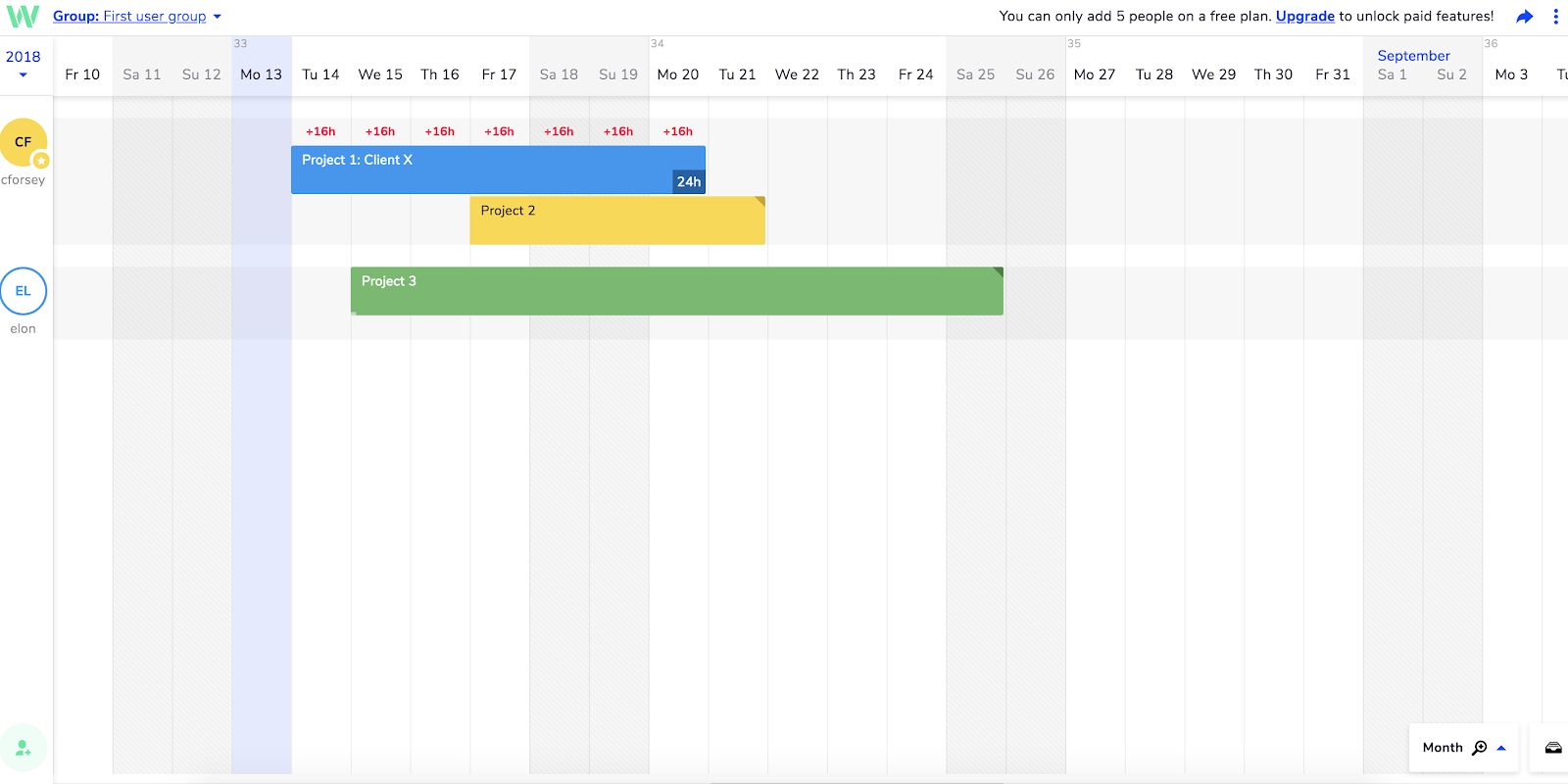
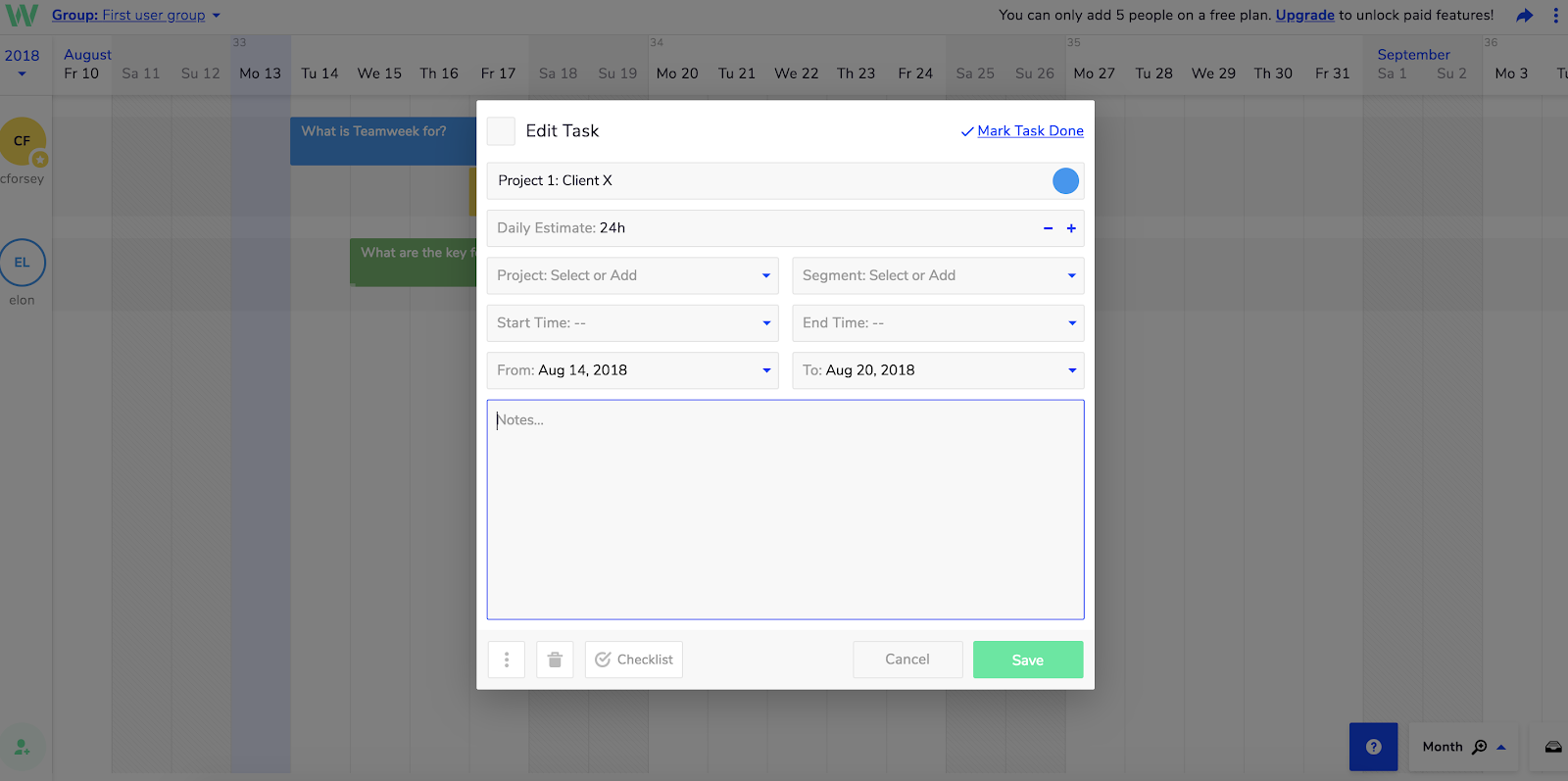
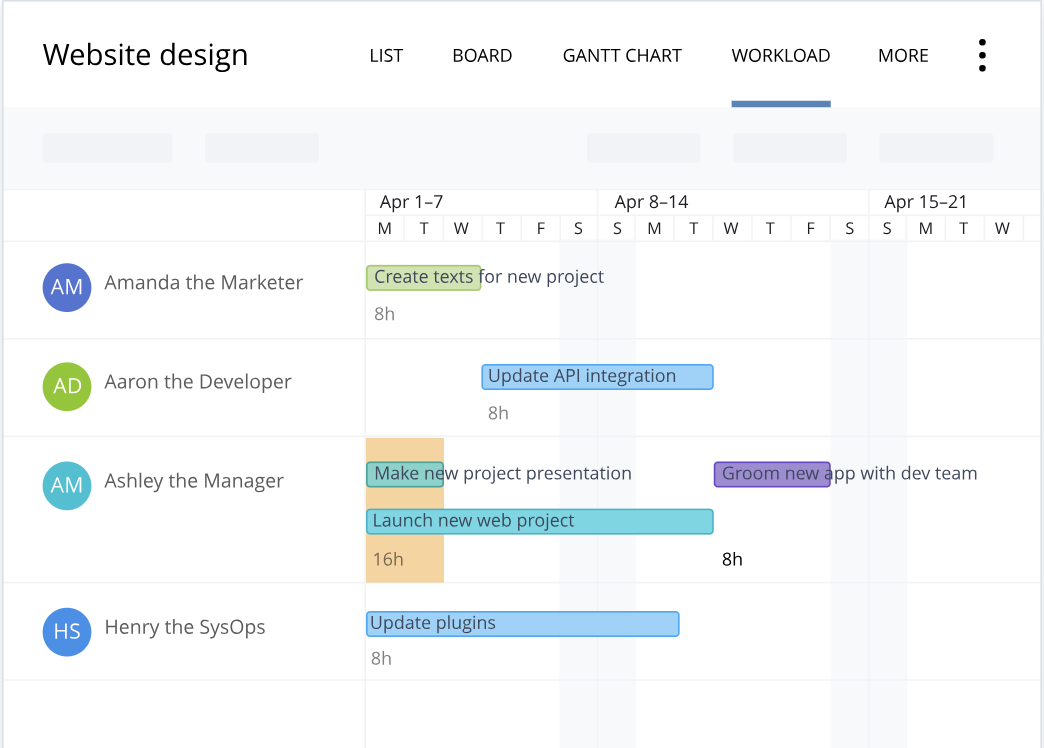
Teamweek is an effective project management tool to automate your task delegation process, and visualize which project tasks have been completed and which haven’t. If your team often collaborates with other departments on projects, this could be a useful tool for you.
Features include:
- Gantt-chart visualization to track important deadlines and projects
- Integrations with Slack, Github, Evernote, and others
- Team collaboration option through shared calendars and task notes
Cost: Free for an unlimited number of projects for up to five team members
2. Zoho Reports
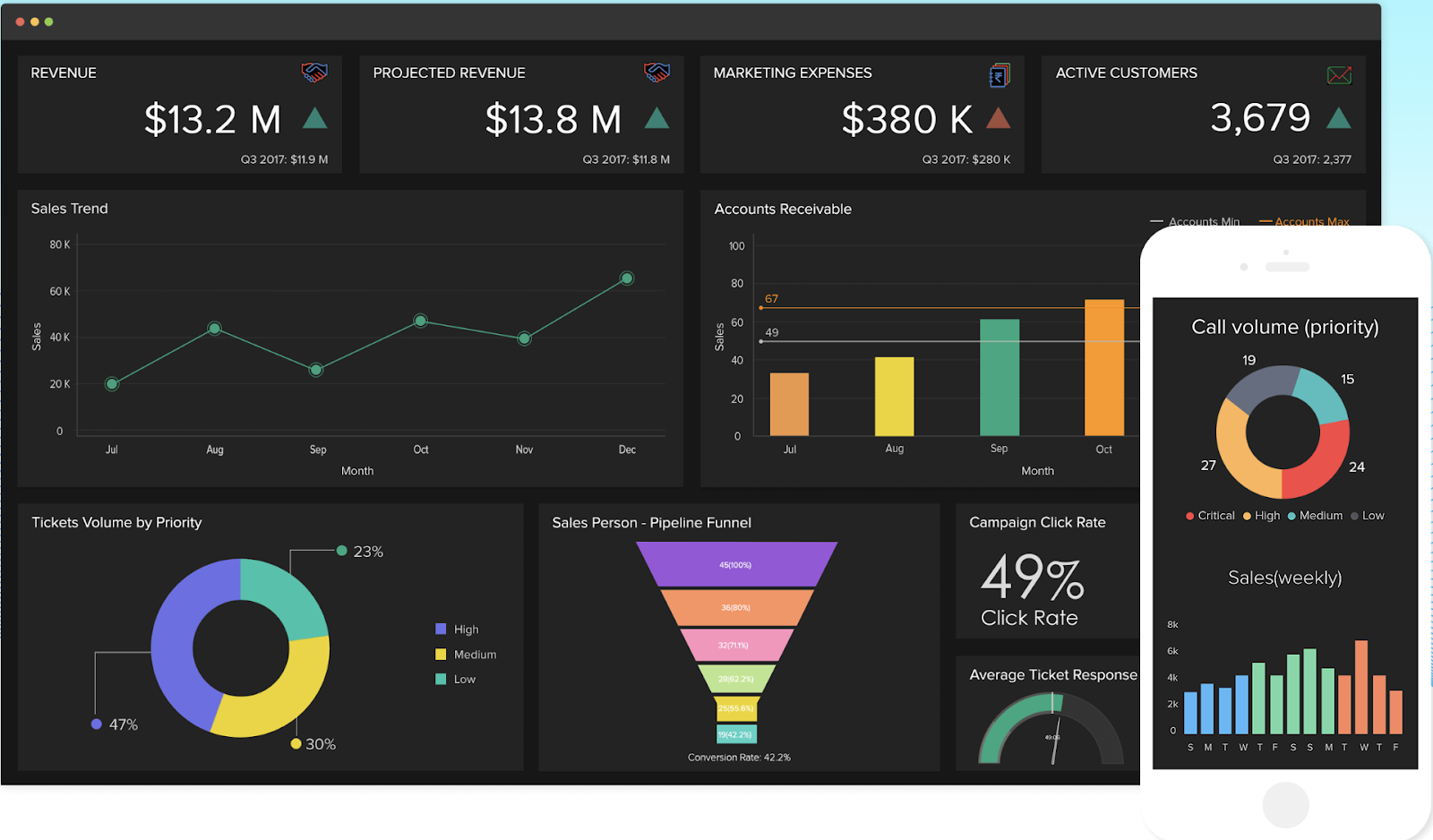
Zoho Reports is easy to use and lets you create comprehensive dashboards and data visualizations to ensure your projects are on-track. You can import data from outside files, cloud drives, applications, and in-house apps, enabling you to create more accurate cross functional reports. (Zoho Reports is a HubSpot integration partner).
Features include:
- Easy drag-and-drop interface with BI visualization tools
- Ability to share and collaborate on reports and dashboards with colleagues privately.
- Cloud BI reporting tool embedded within your own website or product
- Integrations with Slack, Google Apps, and Dropbox, as well as mobile apps, making team collaboration easier.
Cost: Free for one project with multiple users, storage up to 10 GB
3. Asana
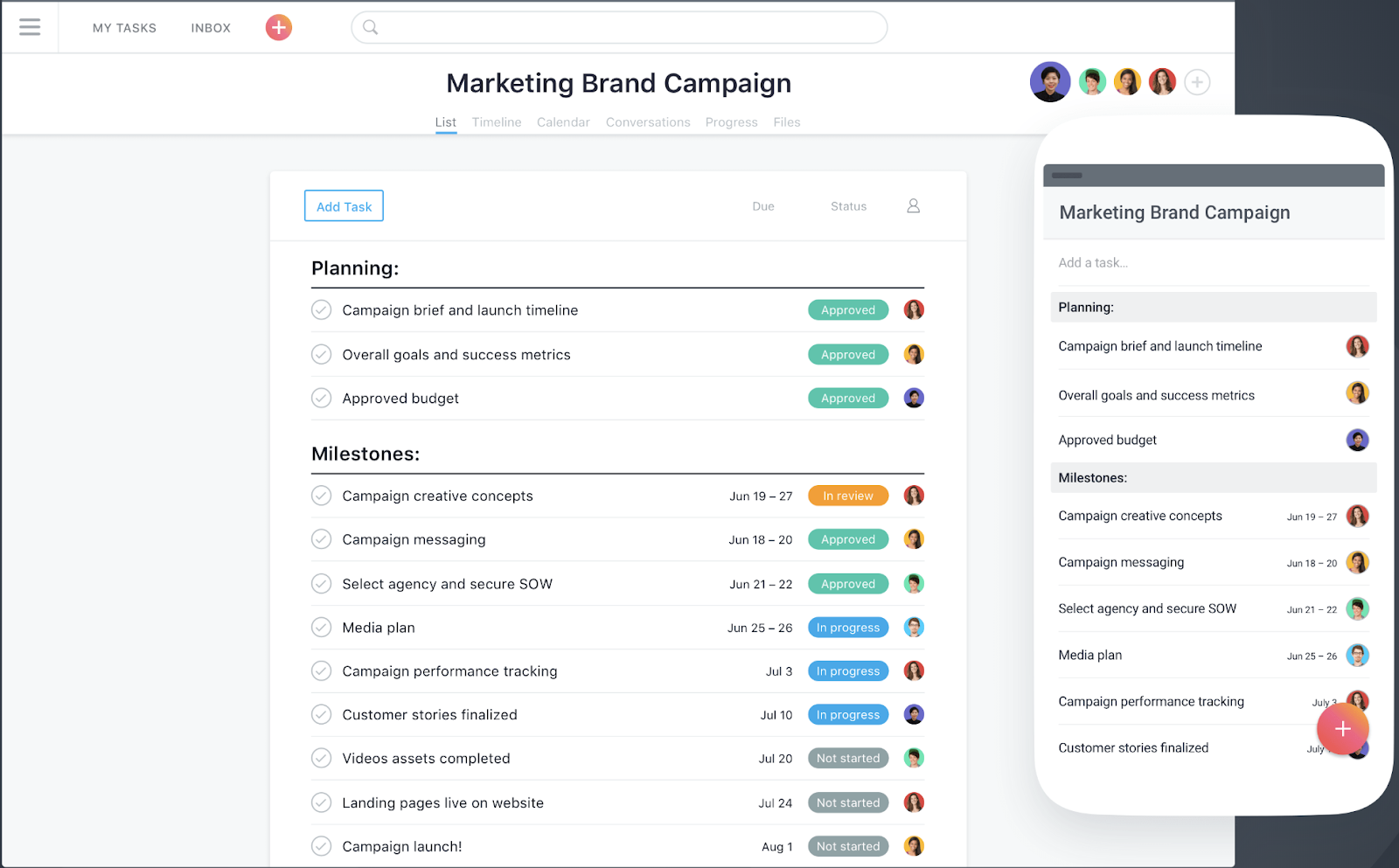
Asana, one of the most popular project management solutions used by millions of people across 192 countries, has a clean and user-friendly interface. The all-in-one tool lets you create boards to visualize which stage your project is in, and use reporting to keep track of finished tasks and tasks that need your attention.
Features include:
- The ability to create templates to automate mundane tasks
- The ability to collaborate and share information across the team, privately and securely
- The option to set security controls and designate admins
- Over 100 integrations for a more efficient start-to-finish process
- Custom project fields, share documents, and filter tasks
Cost: Free for unlimited projects for teams up to 15 people.
4. Teamwork
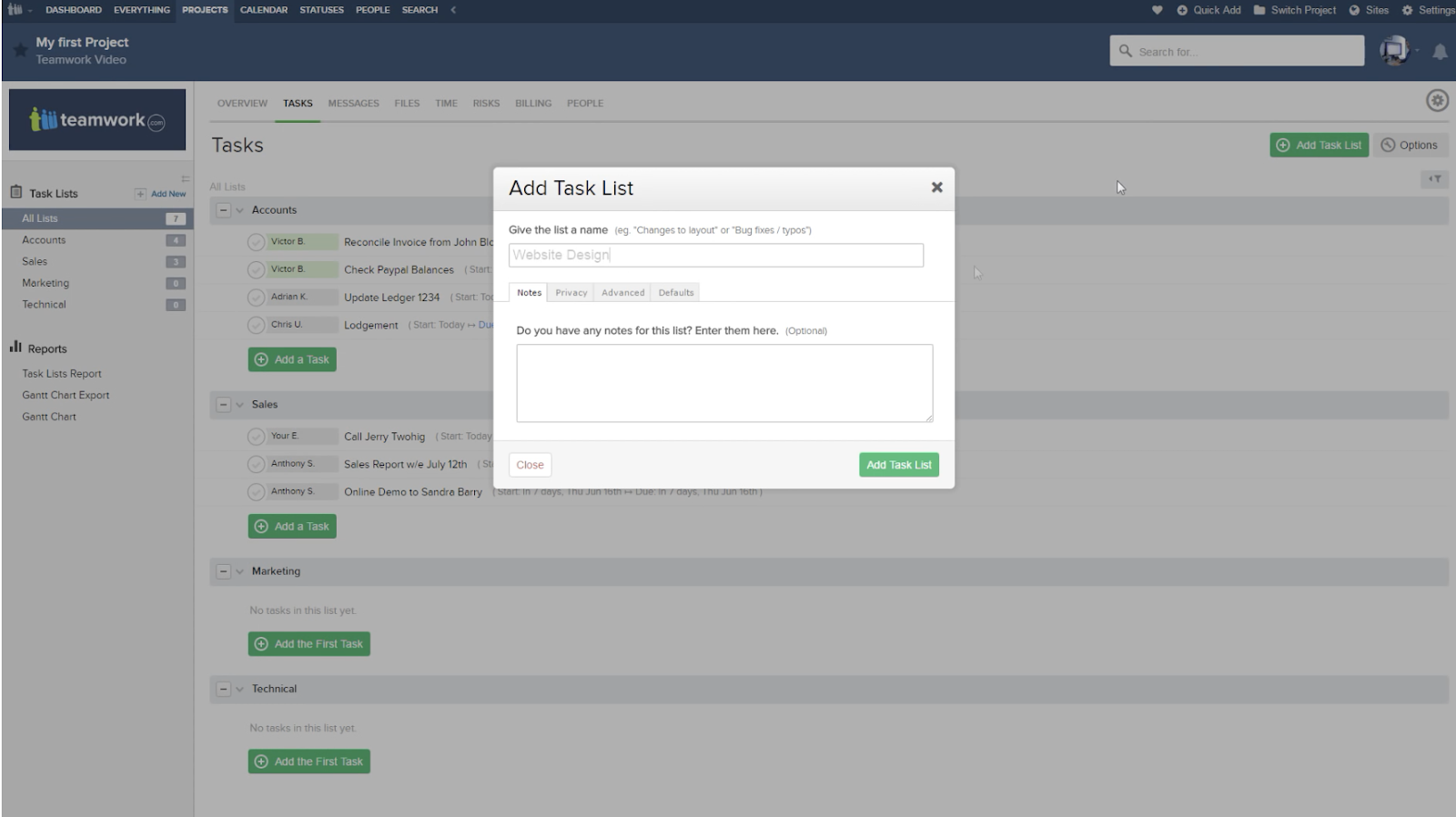
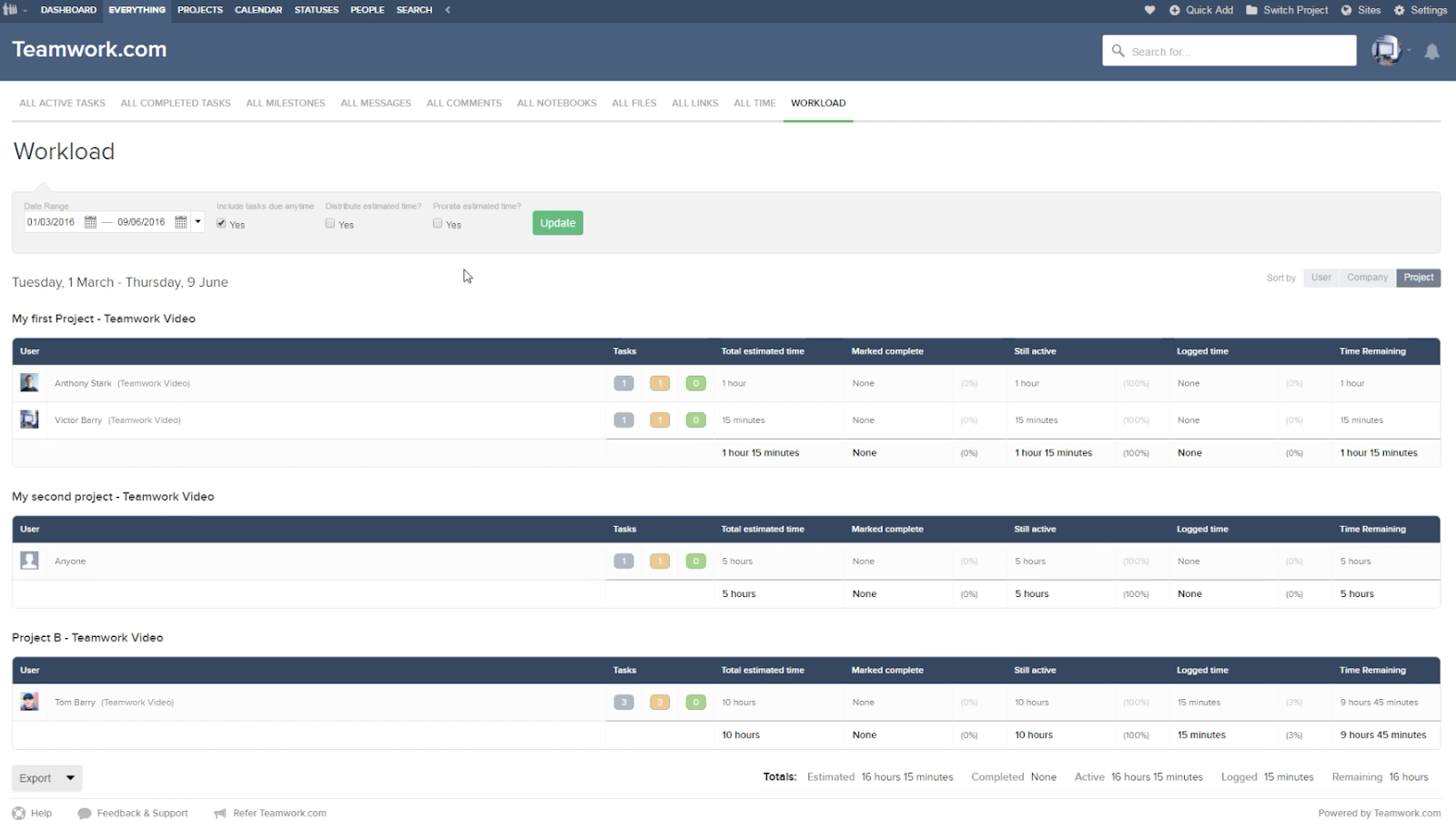
Teamwork, a project management tool that specializes in bringing together remote workers, allows you to create team member status updates so your remote and flexible teams know their coworkers’ schedules. It also provides customer service functions, including the option to assign tickets or view customer emails in one place. (Teamwork is a HubSpot integration partner).
Features include:
- Customizable navigation to prioritize your team’s needs
- Gantt chart for visualizing due dates and project timelines
- Private messaging, and option to make project details private
- Team member status updates for remote or flexible team members
Cost: Free for two to five users
5. Wrike
Wrike stands out as an exceptional project management tool for teams who want the option to customize workflows and edit and revise projects from within the platform itself. The tool offers the ability to color code and layer calendars, and its mobile form allows colleagues to update project information on-the-go. You can add comments to sections, videos, or documents, and create custom fields to export data most relevant to your company.
Features include:
- Security measures to ensure only authorized personnel can access information
- Activity Stream to allow project managers to micromanage small tasks, see activities in chronological order, and tag team members
- The option to unfollow activities to declutter your own personal Stream
- Email and calendar synchronization
- Built-in editing and approval features
Cost: Free for five team members
6. Paymo
Paymo’s free version only allows access for one user, but if you’ve got a small team or you’re a freelancer, this could be an efficient option for tracking billable hours and invoicing clients. Along with tracking finances, Paymo also allows you to organize project timelines, create to-do lists, and stay on top of your budgets for multiple projects at once.
Features include:
- Kanban Boards
- Time Tracking
- File Sharing and Adobe CC Extension
- Reporting
- Three Invoices
Cost: Free for one user, one GB storage
7. ClickUp
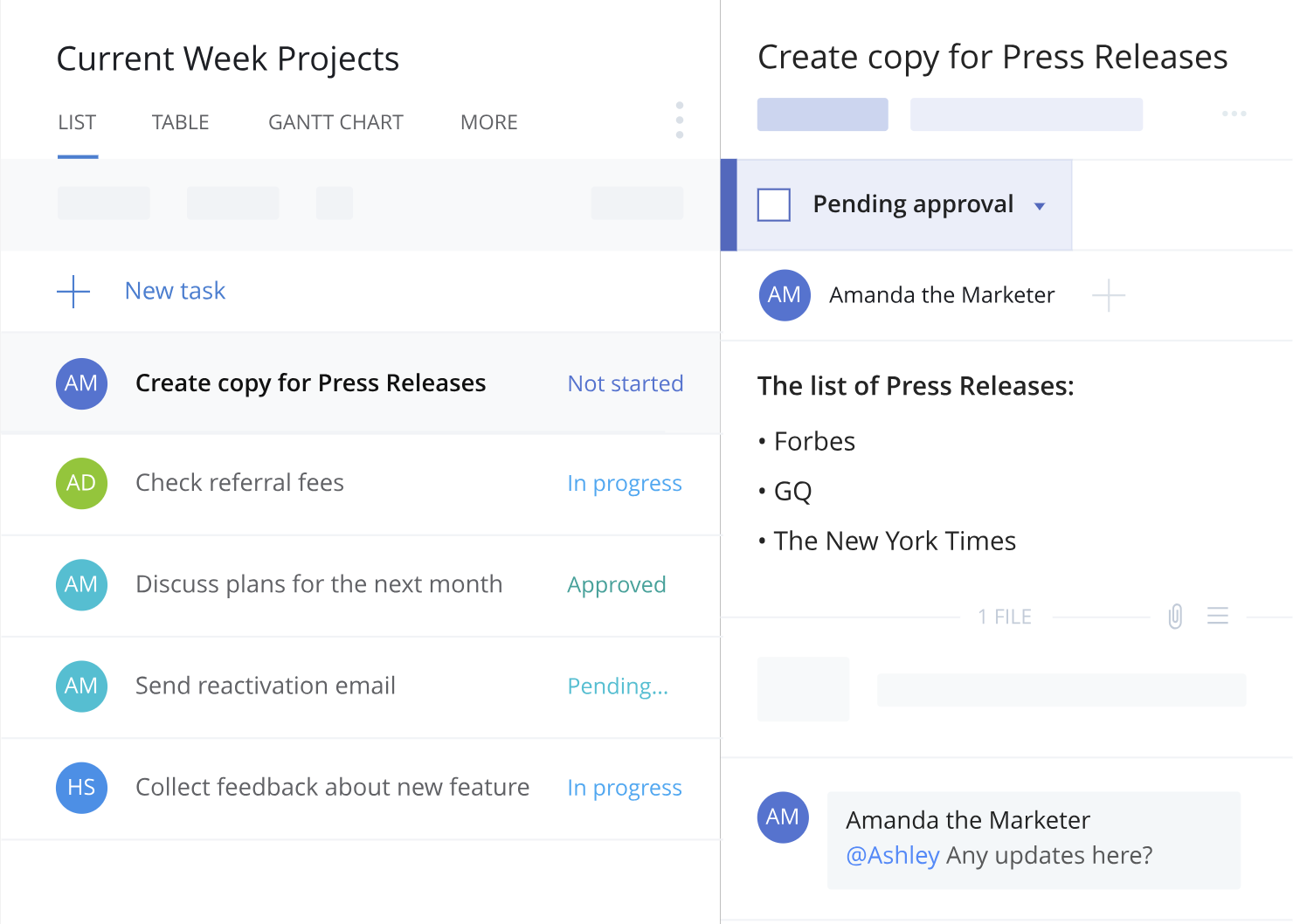
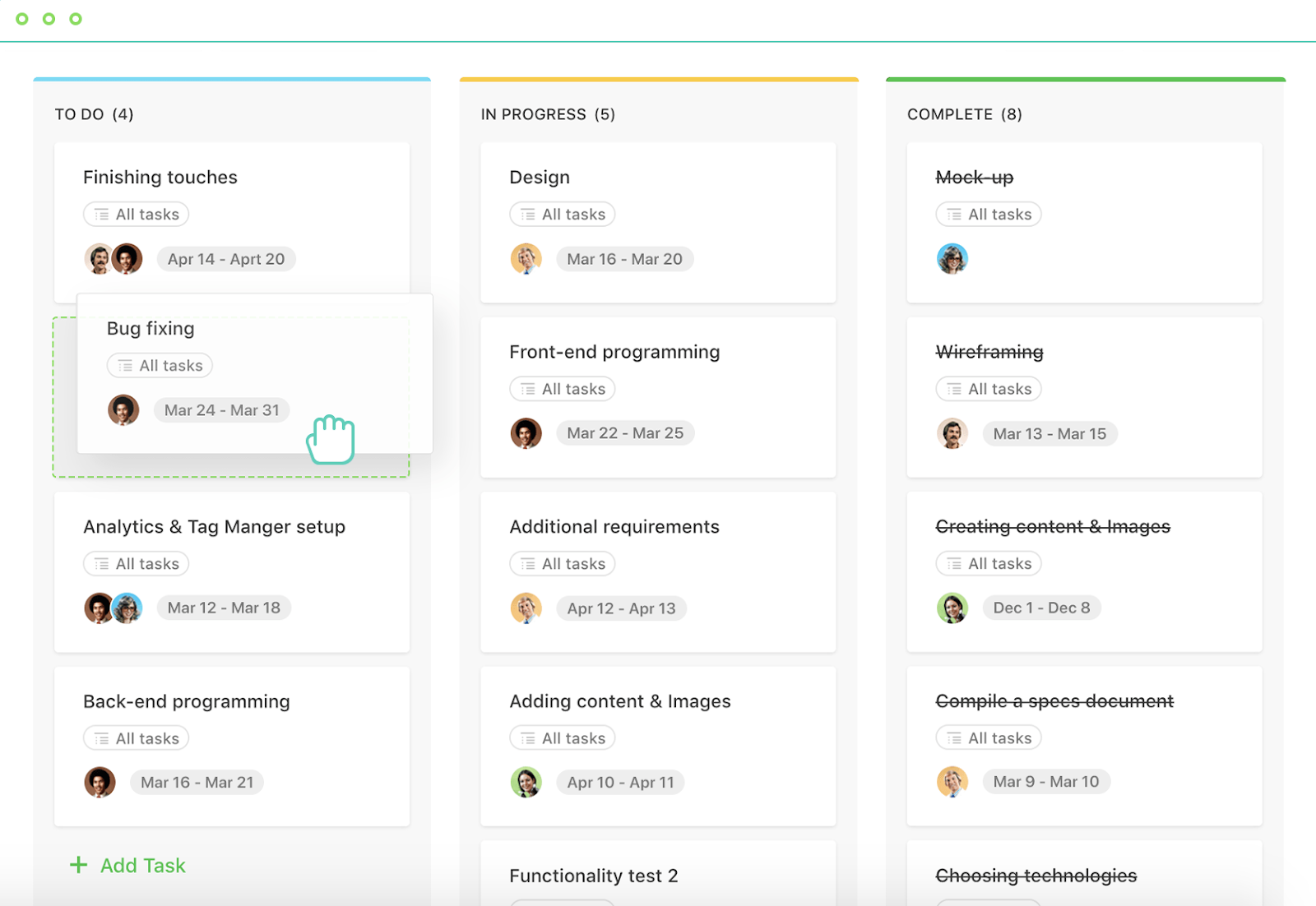
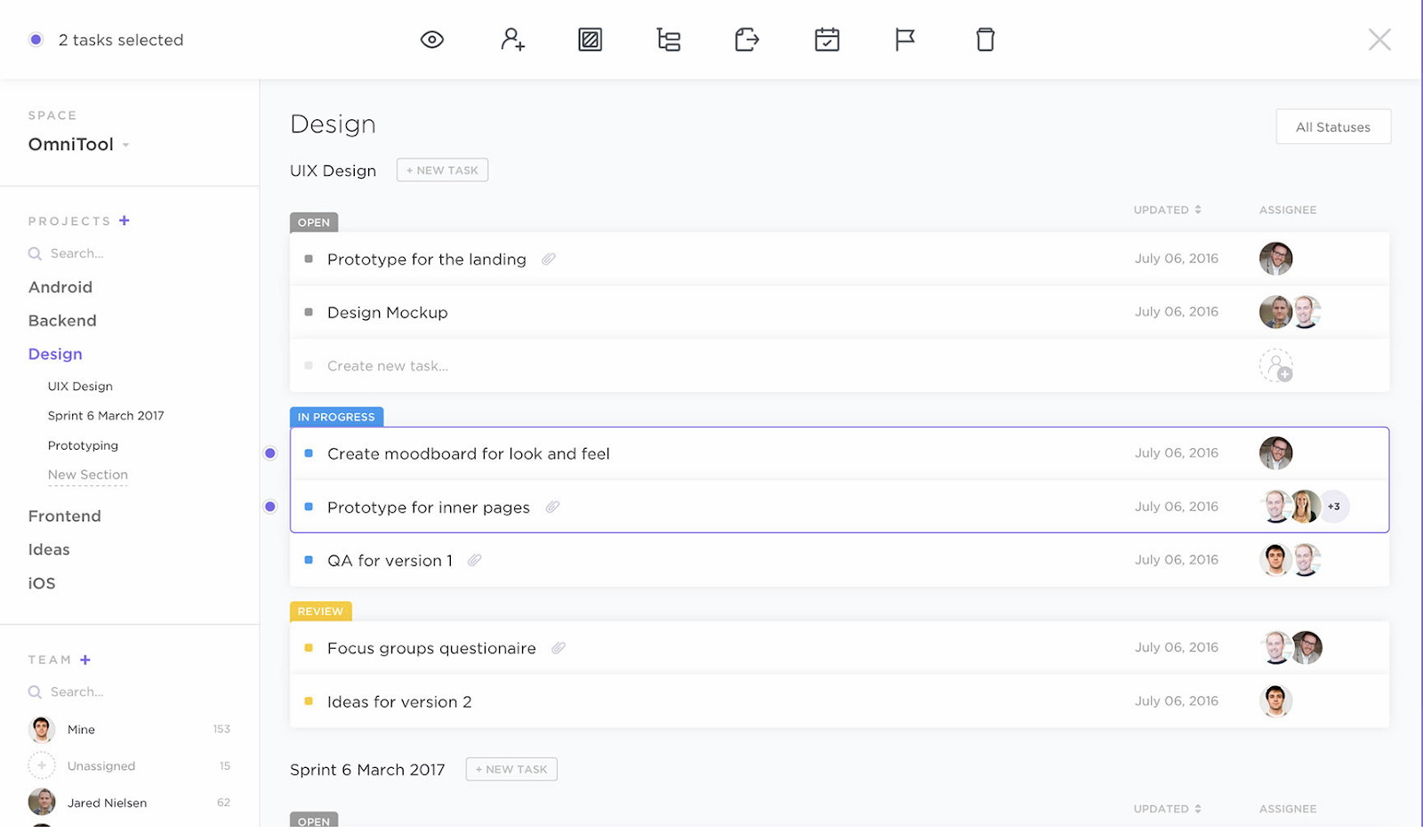
ClickUp provides a few impressive features to customize the all-in-one project management tool to suit your team members, including the option for each user to choose one of three different ways to view their projects and tasks depending on individual preference. If your marketing team overlaps with sales, design, or development, this is an effective solution, as it provides features for all of those four teams.
Features include:
- The ability to organize your projects based on priority, and assign tasks to groups
- The option to set goals to remind teams what they’re aiming to accomplish
- Google Calendar two-way sync
- An easy way to filter, search, sorting, and customize options for managing specific tasks
- Activity stream with mentions capability
- Image mockups
- 57 integrated apps
Cost: Free forever, with unlimited users and unlimited projects, and 100 MB of storage
![]()
Acorda CTO Batycky Leaves to Run Biotech Startup
[Corrected 8/14/18, 9:45 am. See below.] Acorda Therapeutics (NASDAQ: ACOR) chief technology officer Rick Batycky is leaving the company to become the CEO of a private, venture-backed biotech. Batycky’s duties are being taken up by Acorda chief of business operations David Lawrence and chief medical officer Burkhard Blank, the company said. [Corrected title in headline. We regret the error.]
UNDERWRITERS AND PARTNERS
Research Headlines – Electric cars: fast forward with plastic battery rack
[Source: Research & Innovation]
Could the battery racks in electric cars be greener? Lighter? More affordable, and easier to assemble? Significant gains could be achieved and could help the deployment of such vehicles pick up the pace, say EU-funded researchers who have developed sophisticated housing made of plastic rather than metal.
New Biotech Magnolia Neurosciences Gets $31M For Neuroprotective Drugs

A new biotech company, Magnolia Neurosciences, is launching with $31 million from investors to develop potential therapies for nervous system disorders based on discoveries at the University of Texas MD Anderson Cancer Center.
Magnolia, which is based in New York, was co-founded by Seattle-based life sciences investment firm Accelerator Life Science Partners and MD Anderson in Houston. The startup will mine the discoveries made by scientists at MD Anderson’s Therapeutics Discovery division, including its Neurodegeneration Consortium and its Institute for Applied Cancer Science, or IACS. Investors in the round are AbbVie Ventures, Alexandria Venture Investments, Arch Venture Partners, Eli Lilly, among… Read more »
UNDERWRITERS AND PARTNERS
FET Proactive – High Performance Computing
[Source: http://ec.europa.eu/health/ageing/innovation/index_en.htm] Identifier: H2020-FETHPC-2018-2020Pillar: Excellent ScienceOpening Date: Deadline: Tue, 15 May 2018 17:00:00 (Brussels local time)Modification Date: Mon, 13 Aug 2018Latest information:
Published: 27.10.2017
Deadline: 15.05.2018
Available budget: 4M€
Topic code
Topic short name
Overall threshold applied
FETHPC-01-2018
International Cooperation on HPC
10
The results of the evaluation are as follows:
Number of proposals submitted (including proposals transferred from or to other calls): 7
Number of inadmissible proposals: 1
Number of ineligible proposals: 0
Number of above-threshold proposals: 4
Total budget requested for above-threshold proposals: 7,932,530 €
We recently informed the applicants about the evaluation results for their proposals.
For questions, please contact the Research Enquiry Service[1].
What is Biotech Tuesdays?
Starting at a job in Kendall Sq this September. Any other important things or lingo to know beforehand?
submitted by /u/ds1749320
[link] [comments]
Amicus Finally Wins FDA Nod, Will Price Fabry Drug Below Rivals

The FDA has approved a new treatment for Fabry disease, a decision that represents the end of a winding, more than decade-long saga for the drug’s developer, Amicus Therapeutics. Its long journey also highlights how drug approval in the U.S. has changed just in the last two years, thanks to new FDA leadership and recent legislation that has put patient voices front and center.
The agency has approved migalastat (Galafold) for adult Fabry patients with a genetic variation responsible for to up to 50 percent of cases. Amicus (NASDAQ: FOLD) CEO John Crowley said the company will price the drug,… Read more »
UNDERWRITERS AND PARTNERS